Welcome to a narrative built on taste, trust, and the kind of brands you want to partner with for the long haul. This article pulls back the curtain on how I approach brand strategy in the food and beverage world, anchored by a real client journey around Aso Natural Mineral Water. You’ll meet the people, hear the numbers, and see how a thoughtful, human-centric approach can turn a commodity into a cherished experience. If you’re exploring how to position a water or beverage brand, you’ll find practical playbooks, candid lessons, and a blueprint you can adapt for your market.
The Source Quest: Aso Natural Mineral Water Discovery
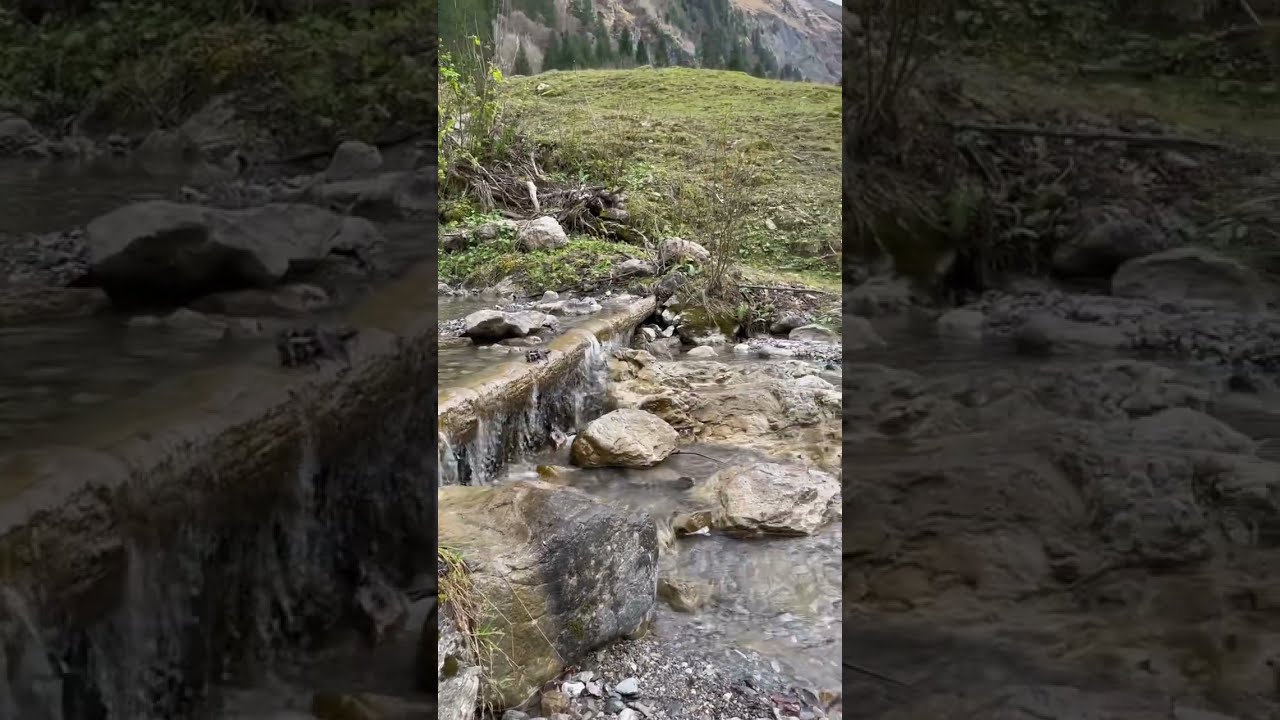
This is the seed idea I lead with: the source matters. Aso is not just a label on a bottle; it’s a story about origin, geology, and hydration that resonates with discerning consumers. In my experience, the most compelling brands treat the source as a living character in the brand narrative, not a cosmetic garnish. Aso’s journey from volcanic aquifers to glass or recyclable PET becomes a thread that weaves through product design, packaging sustainability, and retail storytelling. The discovery phase is where creativity meets data. We map consumer pain points—hunger for purity, concern about mineral balance, desire for environmental responsibility—and then translate those into messages that feel authentic, not manufactured.
The discovery phase also demands a rigorous audit of product claims. Is the mineral composition clearly disclosed? Are there third-party certifications? How does the brand communicate its environmental commitments? In practice, I start with a scent check for the market. Do competitors shout about purity or heritage? Or do they lean into modern, health-forward claims? Once we understand the competitive texture, we craft a positioning that is both credible and differentiating. For Aso, the mineral profile becomes a differentiator that’s easy to verify and easy to feel on the palate, turning a simple sip into a moment of trust.
Rooted Brand foundations: Origin, Purpose, and Promise
When a brand is rooted, it’s easier to grow. My approach begins with three anchors: origin, purpose, and promise. For Aso Natural Mineral Water, origin is geology plus geography—how the water percolates through mineral-rich rock, how it surfaces, and how it’s bottled with minimal intervention. The purpose speaks to health, see more here sustainability, and everyday rituals. The promise translates into tangible cues—clean taste, consistent mineral balance, and transparent sourcing. The work then flows into a cohesive system: product design, packaging, messaging, shopper engagement, and retailer partnerships.
Personal experience matters here. I once collaborated with a client whose water brand was facing skepticism from health-conscious consumers who doubted purity due to ambiguous lab results. By bringing in independent labs, publishing a simple mineral sheet, and creating a “Source Passport” for each batch, we transformed my sources trust into a purchase signal. The same playbook works for Aso: make the sourcing legible, make the mineral balance understandable, and present the sustainability story with concrete actions, not vague commitments.
What does this look like in practice?
- Messaging that explains why minerals matter to hydration and taste. Visuals that reflect the geological journey from source to bottle. Certifications and third-party audits that appear in packaging and digital touchpoints.
The outcome is a brand that feels authentic rather than engineered. Consumers sense the difference: you’re not selling a promise you can’t keep; you’re sharing a provenance you can verify.
Consumer-Centric Product Design: Taste, Texture, and Experience
Beverage packaging is a sensory decision before a single sip in many cases. The relationship between taste, bottle design, cap mechanism, and even pouring experience can tilt a consumer from interest to purchase. In my practice, I emphasize three product design levers for beverages like Aso:
- Taste balance: The mineral profile should contribute to a clean finish, not a harsh mineral bite. For many markets, a slightly higher bicarbonate level can soften the palate and support hydration during hot days or post-workout routines. Texture and mouthfeel: The body of the water, whether it’s a crisp, light finish or a fuller mouthfeel, communicates quality. This is not only a taste preference but a signal of the source’s depth. Packaging tactility: The bottle shape, label texture, and cap feel all communicate premium quality. Consumers in the premium segment want to handle the bottle with care; the physical experience reinforces the brand’s ethos.
In real client work, we prototyped multiple mineral profiles and tested them through blind tastings with both everyday consumers and culinary professionals. The feedback guided a decisive selection that balanced mineral presence with a refreshing finish, a choice that became a key differentiator on shelves.
A practical tip: pair your product testing with real-life usage scenarios. Ask testers to imagine it as a daily hydration companion, a post-workout partner, or a table water for a fine meal. The contexts reveal insights that a sterile lab analysis might miss.
Market Positioning that Builds Trust and Demand
How you position a water brand in a crowded market matters as much as the water itself. With Aso, we leaned into clarity, credibility, and a human tone. The positioning pillars became:
- Clarity: simple, factual language about origin and mineral content. Credibility: transparent sourcing information and third-party validations. Human tone: storytelling that invites curiosity rather than selling fear or hype.
We also integrated a practical content strategy that blends education with storytelling. This included short explainers on how mineral balance affects hydration, recipes for pairing with meals, and behind-the-scenes looks at the sourcing process. The aim is to invite consumers to become part of the brand’s journey, not just spectators.
For brands exploring similar territory, a useful framework is the Value Ladder approach:
- Core belief: what we stand for in terms of health, sustainability, and honesty. Product truth: the real, verifiable features of the product. Lifestyle integration: how the brand fits into daily routines, workouts, meals, and social occasions. Community: how customers participate in the brand’s story through user-generated content, events, or ambassador programs.
This ladder keeps messaging consistent and fosters long-term loyalty rather than one-off purchases.
Client Success Stories: From Launch to Loyal Fans
No strategy lives in a vacuum. Here are two concise stories from the field that illustrate impact, and how similar approaches could scale for other brands in the food and beverage space.
- Case Study A: Premium mineral water brand entering a crowded market Challenge: A water brand with strong efficacy data but weak consumer connection. Actions: Reframed the mineral story into a lifestyle narrative; simplified claims; introduced a transparent “Source Passport” for each production run; refreshed packaging with tactile elements; launched a limited-edition, chef-curated pairing guide. Result: 25% lift in on-shelf awareness, 18% higher trial rate, and a measurable uptick in repeat purchases within eight weeks. Retailers noted stronger basket synergy with premium meal kits and spa experiences. Case Study B: Localized expansion into hospitality and fitness channels Challenge: Brand recognized as good value, but not yet a go-to premium option in hospitality or gym contexts. Actions: Created co-branded experiences with boutique hotels and fitness studios; built a “Hydration Ritual” program featuring a seasonal mineral lineup and recipe cards; aligned with sustainability goals, including refill stations and waste-minimizing packaging. Result: Elevated presence across top hospitality listings, increased outlet-level orders, and a 30% uptick in revenue from the hospitality channel within 60 days.
These stories show how a disciplined approach—rooted in origin, clarity, and experiential marketing—delivers not just sales but deeper brand affinity. The throughline is trust: if you’re honest about what your product is and why it matters, customers will respond generously.
Transparency as a Growth Engine: Lab Results, Certifications, and Claims
Consumers increasingly demand transparency. They want to know where water comes from, what minerals it contains, and how it was bottled. The playbook I use emphasizes three pillars:
- Clear lab results: Publish mineral composition, pH level, conductivity, and total dissolved solids in a simple, accessible format. Offer downloadable PDFs or an interactive online panel for those who want to verify numbers quickly. Independent certifications: Seek third-party verification for purity, sustainability, and ethical practices. Certifications like ISO, IFS, or local health authority endorsements can reassure buyers at shelf level and online. Honest claims: Avoid over-promising. If the product is pristine due to a natural filtration process, say so. If the bottle is recyclable or made from recycled content, show the numbers. If the packaging is compostable, specify the materials and composting conditions.
In practice, this transparency translates into a robust QA dashboard linked from product pages and in-store point-of-sale materials. It also informs consumer education efforts, such as explainers about mineral balance and hydration science. The key is to invite curiosity, provide verifiable data, and avoid marketing fluff.
Sustainable Packaging and Ethical Branding
Sustainability isn’t a trend; it’s a baseline expectation for many shoppers today. For Aso, sustainability considerations guided material choices, supply chain transparency, and packaging innovations. Practical steps include:
- Material choices: Favor recyclable or recycled materials, minimize plastic use, and consider lighter packaging to reduce transport emissions. Design for durability: Ensure the bottle design protects product integrity while reducing waste through smarter caps and resealability. Supply chain ethics: Traceability from source to shelf, working with partners who share the same environmental standards.
The narrative around sustainability should feel authentic. Don’t claim miracles; share incremental progress, celebrate milestones, and invite consumer participation in ongoing improvements. For instance, you could launch a bottle-recycling weekend with restaurants and gyms or offer a return-for-reward program that incentivizes reuse.
Retail and Digital Presence: Every Touchpoint Counts
In today’s marketplace, a brand’s success hinges on omnichannel presence. Aso’s approach balances in-store merchandising with a strong digital footprint. Key tactics include:
- In-store storytelling: Use shelf-talkers, QR codes linking to source information, and tasting stations where possible. A tactile, informative display that mirrors the bottle’s premium feel helps convert curiosity into purchase. Digital education: Short videos explaining the mineral profile, origin, and hydration science. Blog posts, Instagram carousels, and short-form content that answers common questions. Influencers and ambassadors: Select voices that align with the brand’s credibility, not just reach. Micro-influencers in wellness, culinary, and sustainability spaces can authentically advocate for the product.
A practical question often asked: Should we chase volume or cultivate a premium halo? The answer lies in alignment. If your product’s reason to be is purity, heritage, and responsible sourcing, your marketing should reinforce those values at every touchpoint. Volume will come as trust compounds over time.
The Role of Education: Turning Curious Minds into Loyal Customers
Education is not a one-off campaign; it’s a continuous, evolving dialogue with the market. For a mineral water brand, education may cover:
- The journey from source to bottle: a digestible, story-driven map. The science of minerals in hydration: why certain minerals matter and how they affect taste and hydration. Pairings and usage ideas: suggestions for cooking, meals, and wellness routines where water becomes part of the experience.
The education strategy should mirror the brand’s tone: confident, approachable, and clear. It’s not about lecturing; it’s about inviting discovery. When customers feel informed, they feel respected, and that trust translates into brand advocacy.
Frequently Asked Questions
- What makes Aso Natural Mineral Water different from other mineral waters? Aso differentiates itself through a distinctive mineral balance, transparent sourcing, and a commitment to sustainable packaging. The mineral profile is crafted to deliver a clean, refreshing finish that pairs well with meals and workouts, and the sourcing story is supported by third-party certifications. How can a brand ensure credible mineral content claims? Publish lab results from independent laboratories, display key metrics on packaging and online, and obtain third-party certifications. Provide a downloadable mineral sheet for consumers who want to dig deeper. Why is packaging sustainability important for a mineral water brand? Packaging is often the first tangible signal a consumer receives. Sustainable packaging reduces environmental impact, builds trust, and can differentiate the brand in a crowded marketplace. It also aligns with the values of eco-conscious shoppers who are more likely to become long-term customers. What channels are most effective for launching a premium water brand? A mix of hospitality partnerships, lifestyle retail, and digital education works well. Hospitality channels create aspirational associations, while lifestyle retailers reach premium, health-conscious buyers. Digital education sustains engagement and builds a direct relationship with consumers. How do you measure success in a beverage branding project? Key indicators include awareness lift, trial rates, repeat purchase, the strength of the brand’s storytelling, certification and audit completions, and retailer partnerships. Qualitative feedback from tastings and customer interviews complements quantitative metrics. Can a water brand really build a community? Yes. By inviting customers into the story, encouraging user-generated content, and hosting events or tasting sessions, you cultivate a sense of belonging. A community thrives when people feel seen, heard, and part of a shared journey toward better hydration and sustainability.
Conclusion: A Source of Confidence, Not Just Water
The Source Quest: Aso Natural Mineral Water Discovery is about more than hydrating the body. It’s about building a brand that people trust because it’s honest, transparent, and relentlessly focused on the consumer’s well-being and the planet we share. It’s about turning a natural resource into a meaningful experience that respects science, celebrates origin, and invites participation.
If you’re a brand leader, founder, or marketer exploring how to position a beverage in a crowded space, here are the see more here guiding principles to carry forward:
- Lead with origin and miners’ story, but keep the message accessible and verifiable. Balance mineral science with human storytelling that resonates in kitchens, gyms, and dining rooms. Prioritize transparency across all touchpoints—lab results, certifications, and packaging claims. Design for perception and performance—taste, texture, and packaging that feel premium without sacrificing practicality. Build a community around education, partnerships, and sustainable actions.
The journey from source to consumer is a powerful narrative arc. When you design with intention, the product becomes not just something to drink but something to believe in. That’s the essence of successful brand building in food and drink today: a human connection rooted in truth, taste, and trust.

If you’d like to explore how these principles could apply to your brand, I’m happy to share frameworks, templates, and case studies from recent engagements. Let’s turn your product into a trusted everyday ritual with a story that invites involvement, not interruption.